Serengeti safari tours are usually sold as if the park were one place. It is not. The Serengeti is enormous, and where you stay changes what you see far more than which operator you book with.
This guide breaks the park into its main areas, explains roughly when each one shines, and helps you decide how many days to allow.
Leisuredeals has over 10 years’ experience arranging safaris and holidays, is approved by Kenya’s Tourism Regulatory Authority, and is listed on SafariBookings.com.
Why Where You Stay Matters
The Serengeti covers a huge area, and the herds, big cats and scenery differ from one part to the next. Two travellers can both have visited on a Serengeti safari and describe entirely different trips. Choosing the area to match your dates is the single most useful decision you can make.
The Serengeti by Area
| Area | Roughly when it shines | Known for |
|---|---|---|
| Southern plains (Ndutu) | January to March | Open short-grass plains and the calving season |
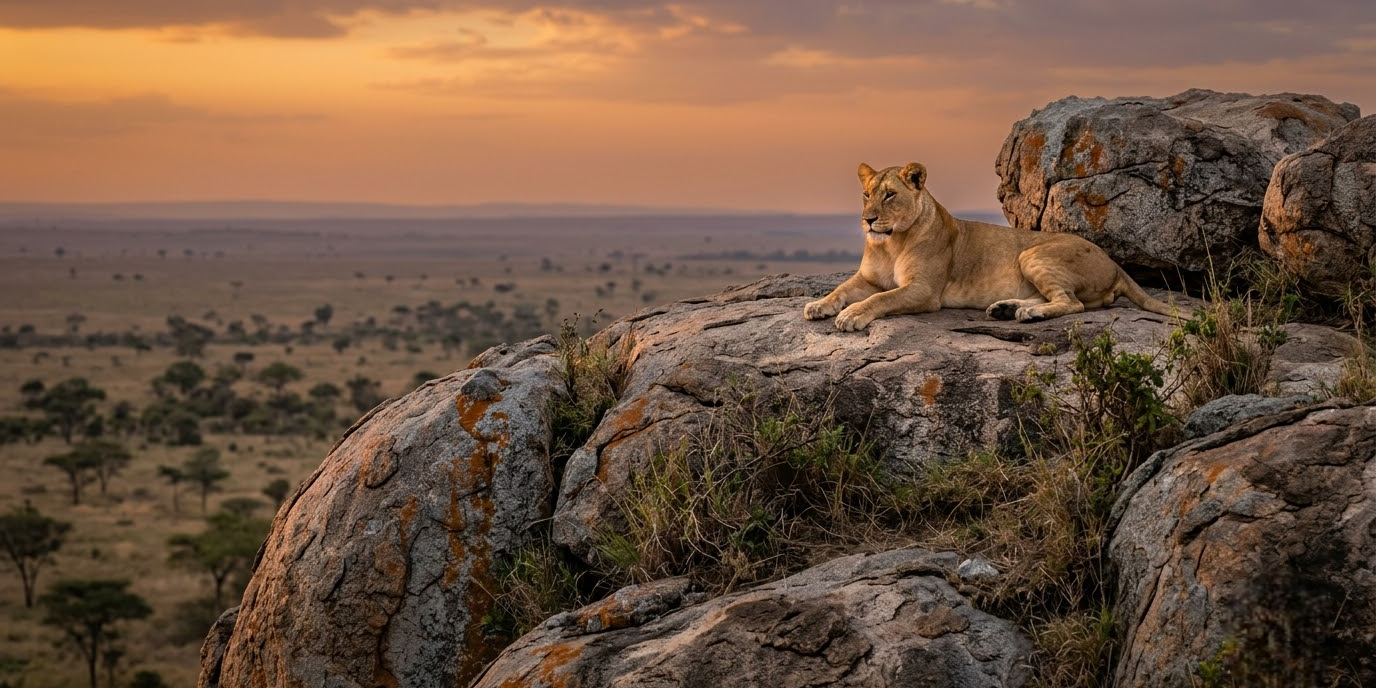
| Central (Seronera) | Year-round | Reliable big-cat sightings and easy access |
| Western corridor | Around May to July | Riverine woodland and early river crossings |
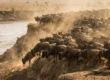
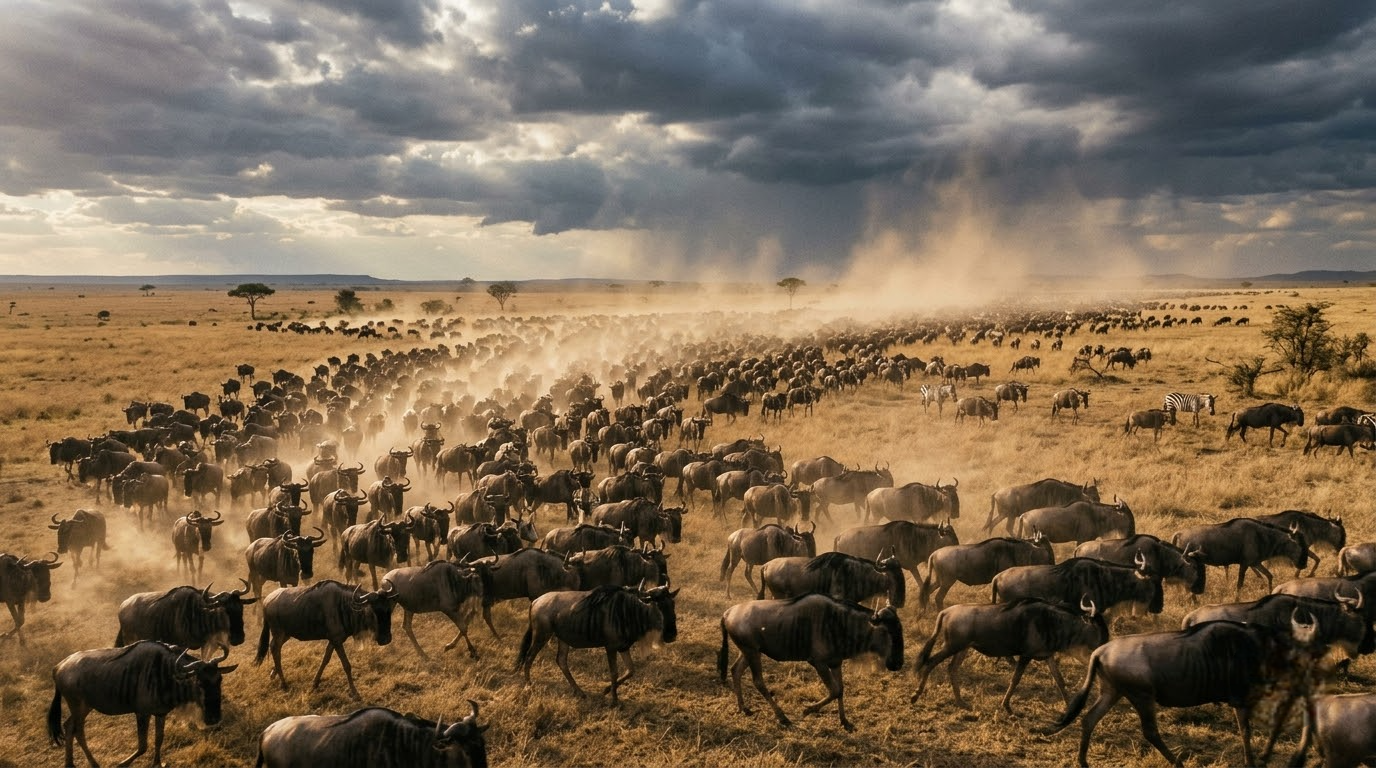
| Northern Serengeti | Around July to October | Mara River crossings and quieter roads |
Timing shifts from year to year with the rains, so treat these windows as a guide, not a guarantee. A good itinerary is built around them and then adjusted as the season develops.
How Many Days to Allow
- 3 days: a focused Serengeti-only trip, ideal if you already have limited time in Tanzania.
- 4 days: the Serengeti plus the Ngorongoro Crater, and the most popular pairing.
- 5 to 6 days: adds Lake Manyara or Tarangire and gives the Serengeti room to breathe.
- 7 to 8 days: the full northern circuit, with no rushed transfers.
What the Main Routes Look Like
The Tanzania Tours and Safaris range includes a 3-day Serengeti National Park safari, a 4-day Ngorongoro Crater and Serengeti route, and longer itineraries running up to 8 days that add Lake Manyara and Tarangire. Each can be tailored, so if you have a particular area or month in mind, say so when you get in touch.
A Few Practical Points
- Distances inside the park are large, so expect long, rewarding drives rather than short hops.
- Book earlier for July to October, when northern Serengeti camps fill quickly.
- Pack layers, since early mornings on the plains can be surprisingly cool.
Balancing Driving and Game Viewing
Because the Serengeti is so large, a good itinerary limits the number of times you change camp. Moving every night looks efficient on paper but leaves little time for the wildlife. Two or three nights in one area, then a longer move, usually gives a better balance than a new lodge each evening.
Who Should Choose Which Length
- Short on time: the 3-day Serengeti-only route.
- First trip to Tanzania: the 4-day Crater and Serengeti pairing.
- Keen photographers: five days or more, so you can wait for the light.
- Once-in-a-lifetime trip: seven or eight days, which leaves room to be flexible if the herds move.
Fly-In or Drive?
Flying between camps saves hours on longer routes and gives a spectacular view of the plains, but it costs more and limits baggage. Driving takes longer and lets you see wildlife on the way. Many travellers drive for the first leg and fly only when time is tight, so it is worth deciding early which suits your budget and patience.
Questions to Ask Before Booking
- Which part of the park will we be staying in, and why for my dates?
- How many nights in each area?
- Is the vehicle private, and how many seats does it have?
- What is included in the price?
Frequently Asked Questions
How many days do I need in the Serengeti?
Three days is the minimum for a focused trip. Four to six days gives you the park at a gentler pace, especially if you also visit Ngorongoro.
Where is the Serengeti migration in July?
Around July, the herds are typically in the western and northern parts of the park, though timing varies with the rains.
Is the Serengeti better than the Masai Mara?
They are neighbouring parts of the same ecosystem, so neither is objectively better. The Serengeti is larger and more spread out, while the Mara is more compact.
Can I visit the Serengeti in low season?
Yes. Fewer crowds and lush scenery are the trade-off for a higher chance of rain, and big-cat sightings continue year-round.
Is a fly-in safari better than driving?
Flying saves time on longer routes but costs more. Many travellers drive for the scenery and fly only when time is tight.
The best Serengeti safari tours are planned around an area and a month, not just a park name. Decide when you can travel, match it to the right part of the park, and allow enough days to settle in. The rest is detail.
Want the right part of the Serengeti for your dates?
Tell us when you are travelling and we will recommend the area and route to suit.