If you’ve had fifteen browser tabs open comparing the best safari packages in Kenya, you already know the problem. Every operator claims to offer “the best,” yet the details that actually matter — what’s genuinely included, how many strangers you’ll share a vehicle with, whether your guide is properly trained — rarely surface until after you’ve paid a deposit. This guide skips the sales pitch and sets out what actually separates a well-run Kenya safari package from one that only looks good on a landing page, so you can book with your eyes open rather than your fingers crossed.
What a “Safari Package” in Kenya Actually Includes
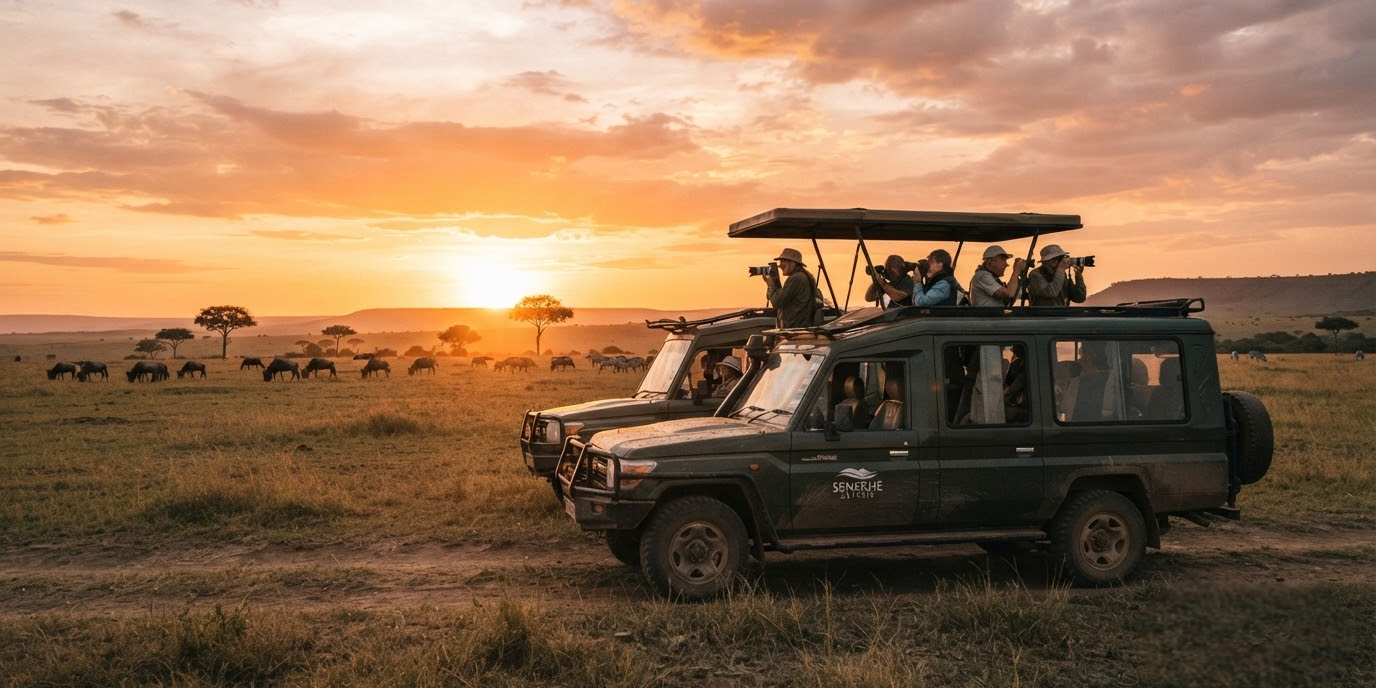
The word “package” gets used loosely across the industry, so it helps to know what should be bundled in before you compare prices. At a minimum, a properly built safari package covers your accommodation, a 4×4 safari vehicle with a driver-guide, game drives inside the park boundaries, and your daily meals. Where operators quietly differ is everything around the edges.
| Usually included | Often charged separately |
|---|---|
| Accommodation (lodge or tented camp) | Park entry & conservancy fees |
| Airport or Nairobi pick-up and drop-off | Hot air balloon safaris |
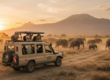
| 4×4 vehicle with pop-up roof and driver-guide | Alcoholic drinks and bottled water |
| Two game drives per day | Tips for guides and camp staff |
| Full board meals at camp | Travel insurance and visa fees |
Ask any operator to confirm, in writing, exactly which of these lines are covered in the quoted price. It sounds obvious, but it’s the single fastest way to compare quotes fairly instead of just comparing headline numbers.
Kenya’s Core Safari Circuits at a Glance
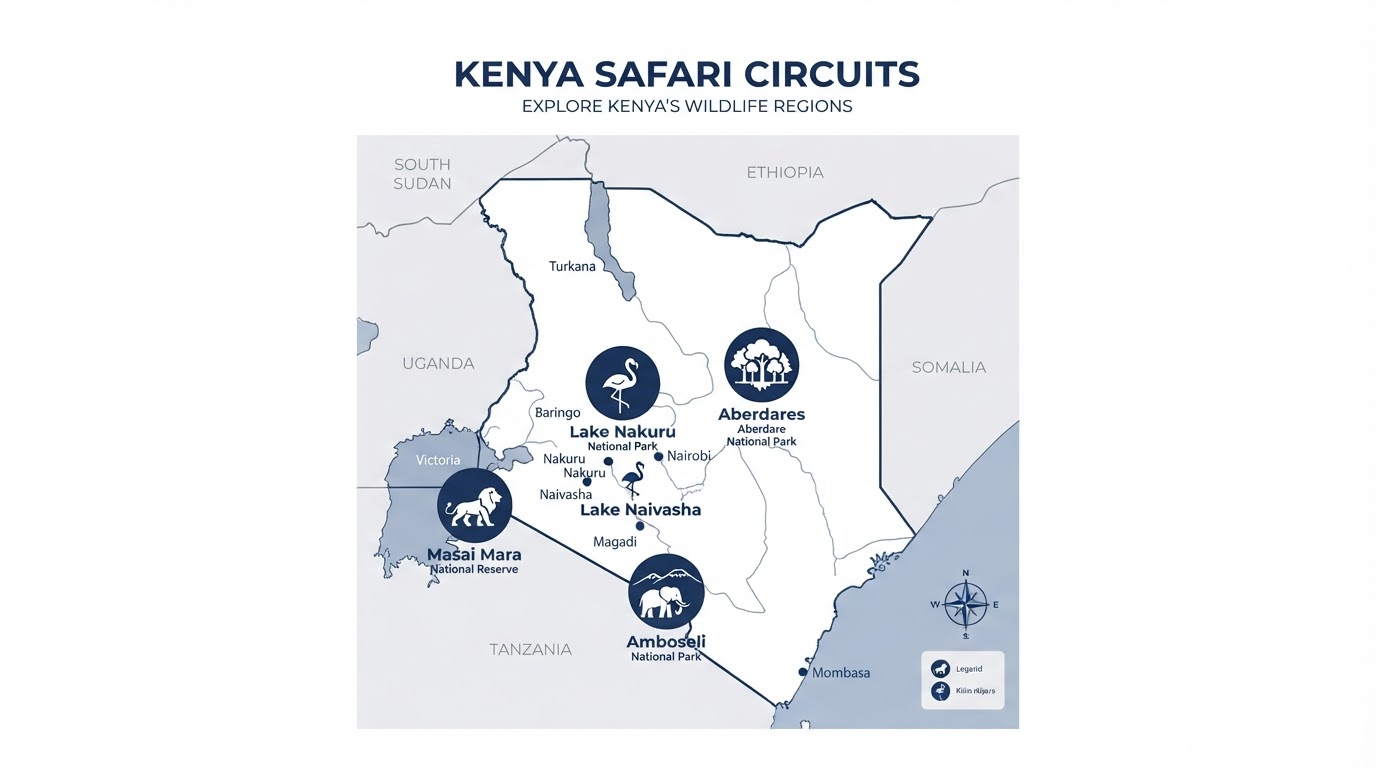
Kenya isn’t one safari — it’s several, each with its own character. Leisuredeals Tours & Safaris runs fixed-departure itineraries across the main circuits, which gives a useful sense of how the country is typically packaged for visitors:
| Circuit | Known for | Typical package length |
|---|---|---|
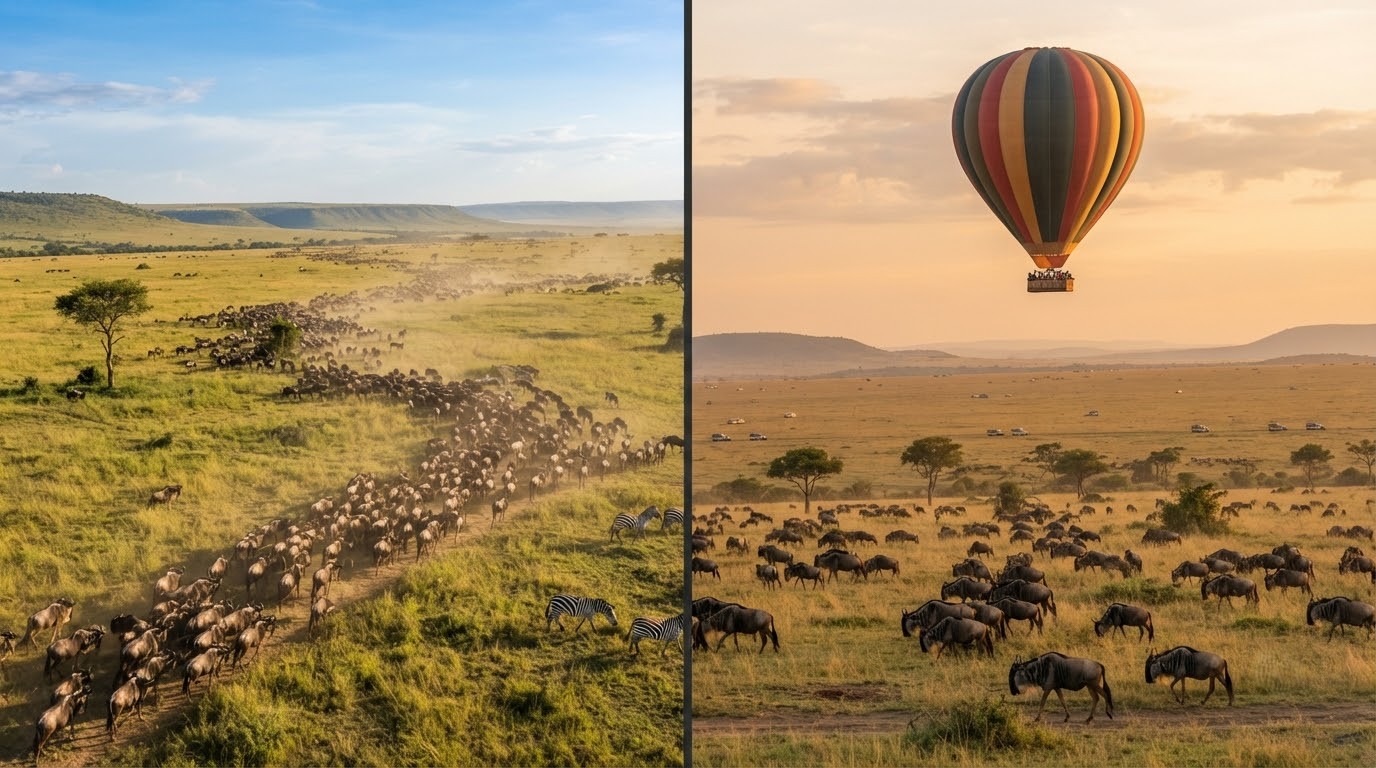
| Masai Mara | Big cats, wide plains, the wildebeest migration (July–October) | 2–4 days |
| Amboseli | Large elephant herds against a Mount Kilimanjaro backdrop | 2–3 days |
| Lake Nakuru / Lake Naivasha | Rhino sanctuary, flamingos, boat rides | Usually added on to a longer route |
| Aberdares | Forested highlands and tree-lodge stays | 1–2 days, combined with other parks |
| Multi-park combination | Amboseli, Naivasha, Masai Mara and Nairobi in one trip | 5–6 days |
These line up closely with how Kenya safari packages are typically structured — for example, a 2 Days 1 Night Masai Mara Safari, a 3 Days 2 Nights Amboseli Safari, or the longer 6 Days 5 Nights Amboseli/Aberdares/Lake Nakuru/Masai Mara Safari for travellers who want to see several ecosystems in one go.
How Much Do the Best Safari Packages in Kenya Cost?
Kenya safari cost varies more than almost any other part of trip planning, mainly because “safari” covers everything from a shared minibus with eight strangers to a private vehicle with your own guide for the entire trip. As a working benchmark, per-person daily rates for a well-run Kenya safari package generally sit in the following bands.
| Package style | Rough price per person, per day | What you’re paying for |
|---|---|---|
| Budget group safari | $50–$150 | Shared vehicle, standard camps, fixed group itinerary |
| Mid-range safari | $150–$400 | Smaller group, tented camps, better positioned lodges |
| Private, tailor-made safari | $400–$1,500 | Your own vehicle and guide, flexible stops, boutique accommodation |
These figures reflect the pricing range Leisuredeals Tours & Safaris itself lists for custom-built Kenya itineraries, which run from roughly $50 to $1,500 per person, per day depending on the style of trip. The gap is wide because a private departure removes the constraints of a shared schedule — you decide when to leave camp, how long to linger at a sighting, and where to stop for photographs.
Not sure which price band fits your trip?
Send us your budget and travel dates and we’ll tell you honestly what it can realistically buy.
Group Safari or Private Safari Tours Kenya — Which Suits You?
This is usually the real decision, more than which park to visit. A group safari is cheaper because the vehicle, guide and fuel costs are split between more people, and it works well if you’re travelling solo or on a tight budget and don’t mind a fixed itinerary.
Private safari tours Kenya operators run cost more but solve the problems that most commonly frustrate first-time visitors: being rushed away from a good sighting because the rest of the group wants to move on, or having your itinerary locked to someone else’s pace. For families, couples celebrating an anniversary, or anyone with mobility or dietary needs, the flexibility of a private vehicle tends to be worth the difference in price.
| Factor | Group Safari | Private Safari Tours Kenya |
|---|---|---|
| Vehicle | Shared with other travellers | Exclusive to your party |
| Itinerary flexibility | Fixed, set in advance | Adjustable day to day |
| Pace at sightings | Set by group consensus | Set entirely by you |
| Typical cost | Lower per person | Higher per person |
| Best suited to | Solo travellers, tighter budgets | Families, couples, special occasions |
Best Time to Book a Kenya Safari
| Period | What to expect |
|---|---|
| July – October | Peak season, wildebeest migration in the Mara, highest prices and busiest camps |
| January – February | Warm, dry, good general game viewing, calving season in Amboseli |
| March – May | Long rains, quieter parks, the best value if you don’t mind occasional showers |
Health and Safety Basics Before You Fly
Nobody wants to think about vaccinations while browsing safari itineraries, but it’s worth ten minutes before you book. Kenya doesn’t require mandatory vaccines for most travellers, though a yellow fever certificate is needed if you’re arriving from a country where the disease is present — check this against your specific route rather than assuming it doesn’t apply to you.
Malaria is present across most of Kenya’s safari regions, so speak to a GP or travel clinic about antimalarial tablets a few weeks before you fly. Pack a decent insect repellent and cover up at dawn and dusk, when mosquitoes are most active.
Travel insurance that covers medical evacuation matters more here than on a beach holiday — safari camps can be hours from the nearest hospital by road. Stick to bottled or filtered water rather than tap water, even at reputable lodges.
This isn’t medical advice — it’s a nudge to have the actual conversation with a GP or travel clinic rather than working it out from a blog post.
What to Pack for a Kenya Safari
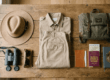
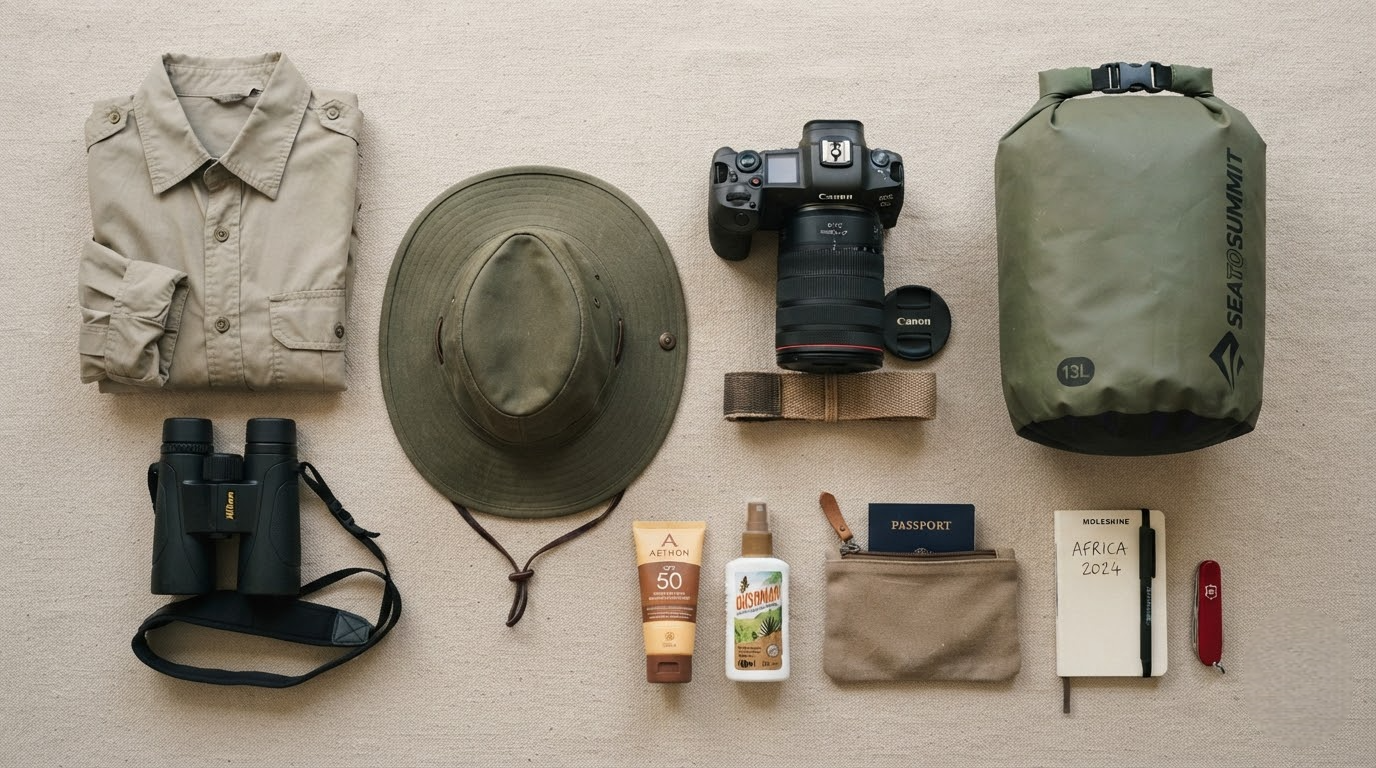
A few things: leave the bright colours and all-black outfits at home. Neutral tones — khaki, olive, sandy brown — work better in the bush, partly for the animals and partly because tsetse flies are drawn to dark blue and black.
Mornings on an open-sided vehicle are properly cold before the sun comes up, so a warm layer you can shed by mid-morning earns its space in the bag. Beyond that:
- Binoculars — shared pairs never seem to be pointed the right way when you need them
- A camera with some zoom, since phone cameras struggle past twenty metres
- Sun protection: hat, sunglasses, high-SPF sunscreen
- Insect repellent, ideally applied before dusk
- Comfortable, closed shoes for camp walks and short bush walks
- A dry bag or old pillowcase to keep camera gear out of the dust
Dust gets into everything on the game drives, more than most people expect, so anything precious is worth double-bagging.
Five Questions to Ask Before You Book Any Kenya Safari Package
- Are park fees and conservancy fees included in the quoted price? These can add $60–$100 per person, per day if they’re not.
- How many people will be in the vehicle? A “shared” vehicle can mean four people or eight — ask directly.
- Is the guide licensed and experienced with your chosen parks? Local knowledge is the difference between a good sighting and a great one.
- What’s the cancellation and rescheduling policy? Get this in writing before you pay a deposit.
- Can the itinerary flex if you want more time at one park and less at another? This is often only possible with a private safari tour.
Where Leisuredeals Tours & Safaris Fits In
Leisuredeals Tours & Safaris has spent over ten years handling inbound and outbound holidays for both domestic and international travellers, building each itinerary around the traveller rather than fitting them into a fixed template. Guest reviews on the company’s SafariBookings profile reflect this — an average rating of 5.0 out of 5 across recent reviews, with guests repeatedly mentioning how well logistics were coordinated once bookings moved beyond Kenya to combined East Africa routes.
Alongside Kenya circuits, the company also runs Tanzania Safaris, including options that combine the Serengeti and Ngorongoro Crater for travellers who want to extend a Kenya trip across the border — a natural next step if the Mara has left you wanting more of the wider Serengeti ecosystem.
Kenya or Tanzania — Or Both?
Kenya and Tanzania share the same Serengeti-Mara ecosystem, which is why the “which country” question comes up so often. Neither is objectively better — they suit different trips.
| Factor | Kenya | Tanzania |
|---|---|---|
| Access from UK/Europe | Nairobi is a major hub, shorter transfer times to most parks | Often requires a connecting flight into Kilimanjaro or Zanzibar |
| Migration viewing | Best July–October, wildebeest in the Mara | Best December–March for calving in the southern Serengeti |
| Typical cost | Generally the more affordable entry point | Parks and permits tend to push costs higher |
| Good for | First-time visitors, shorter trips | Travellers extending a Kenya safari or prioritising the Serengeti/Ngorongoro combination |
If budget or time is tight, Kenya covers the essentials well on its own. If you’ve got ten days or more, combining both — as many Leisuredeals itineraries do — means catching the migration on whichever side of the border it happens to be that month.
Planning your own Kenya safari?
Tell us your dates, budget and the parks you’d like to see, and we’ll put together a tailored quote — no obligation.
Frequently Asked Questions
What’s included in a typical Kenya safari package?
Most packages include accommodation, a 4×4 vehicle with driver-guide, two game drives a day and full board meals. Park fees, tips and drinks are commonly charged separately, so always confirm this before booking.
How many days do I need for a good Kenya safari?
A short 2–3 day trip covers one park well, such as Masai Mara or Amboseli. For a fuller picture of Kenya’s landscapes and wildlife, 5–6 days allows a multi-park route without feeling rushed.
What’s the difference between a group and a private safari in Kenya?
A group safari shares a vehicle and fixed schedule with other travellers, which lowers the cost. Private safari tours Kenya operators run give you your own vehicle, guide and a flexible itinerary, usually at a higher price per person.
When is the best time to visit Masai Mara?
July to October covers the wildebeest migration and offers the most dramatic game viewing, though it’s also the busiest and most expensive period. January and February offer warm weather and good sightings with smaller crowds.
Do I need a visa to go on safari in Kenya?
Most international visitors need an eTA or e-visa to enter Kenya, arranged online before travel. Requirements vary by nationality, so it’s worth confirming directly with Kenyan immigration authorities or your tour operator ahead of your trip.
Final Word
The best safari packages in Kenya aren’t necessarily the cheapest or the most heavily advertised — they’re the ones where the inclusions match what’s promised, the group size suits your comfort level, and the itinerary leaves room to actually enjoy the parks rather than rush through them. Whether you’re weighing a short Masai Mara escape or a longer multi-park route, get the details in writing, ask the five questions above, and book with an operator who’s been running these routes long enough to know where things can go wrong — and how to avoid them.